

How Labrotory Experiments For Makeup Works Makeup Animal Testing
Organizations that conduct or pay for experiments on animals annul the public'south natural disfavor to animal testing with promises that they "ensure the welfare" of animals, that "animals used in federally funded enquiry are protected past laws," and that experimenters have "the greatest commitment to their comfort." Take a expect at these 17 pictures of animal testing (some of which are still taking identify right now)—which PETA obtained through open-records laws, whistleblowers, and bystander investigations—and decide for yourself if their claims are to be believed.
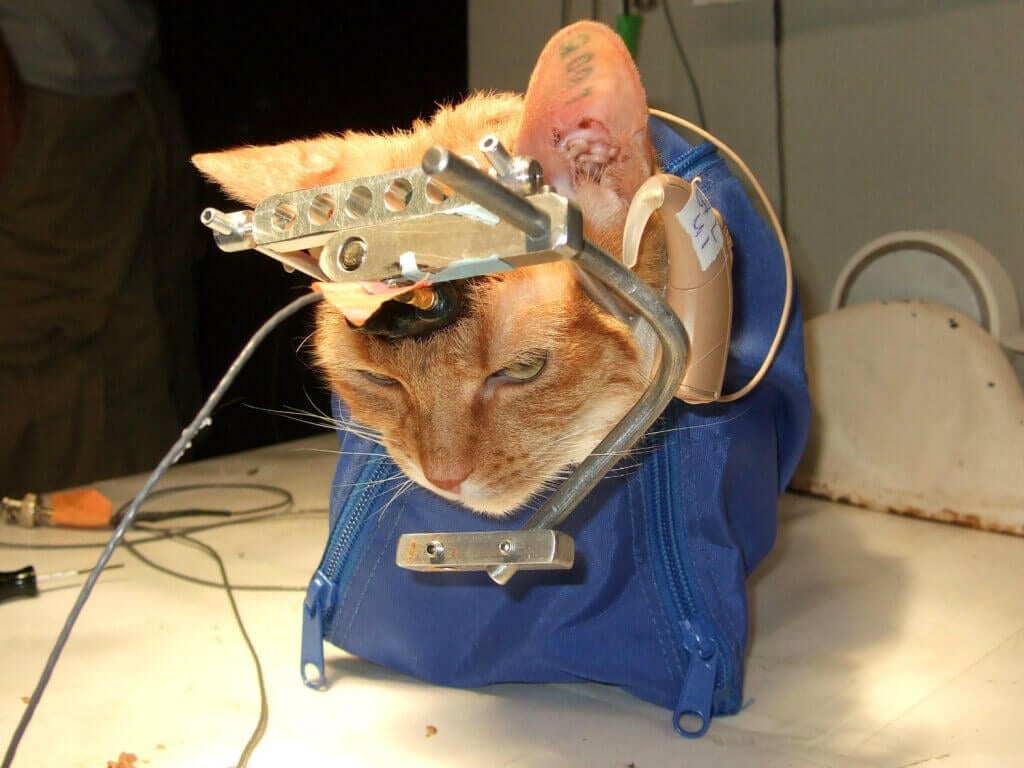
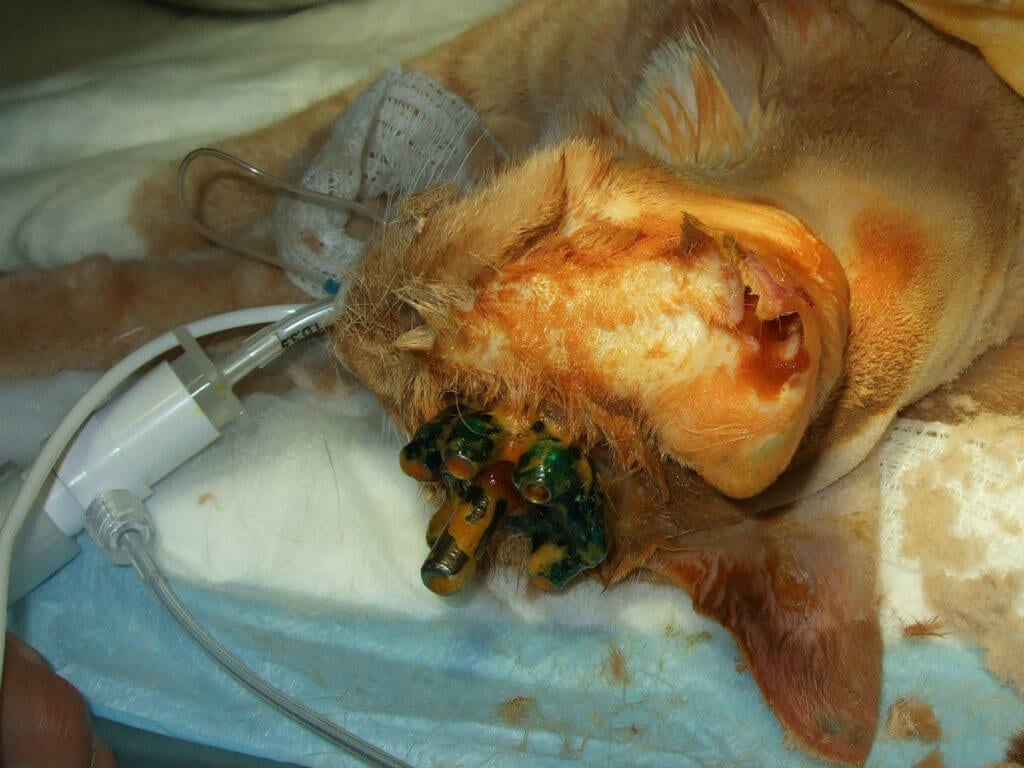
At the University of Wisconsin–Madison, experimenters drilled holes into cats' skulls, screwed metal restraint posts into their heads, implanted steel coils in their eyes, and deaf them in useless "sound localization" experiments. The atomic number 82 experimenter admitted that "our goal is not to produce a clinical treatment or a cure." A vigorous PETA campaign got these experiments stopped, but experiments on cats are even so going on in other laboratories.
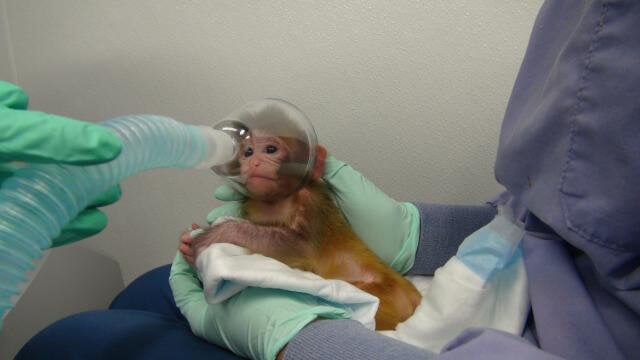
Experimenter Stephen Suomi directed disturbing psychological experiments on infant monkeys for more than thirty years at a taxpayer-funded National Institutes of Health (NIH) laboratory in Maryland. Starting when the babies were just a week old, experimenters subjected them to years of torment meant to cause psychological trauma and mental illness. PETA got Suomi's lab close down, only NIH continues to fund other studies on monkeys—fifty-fifty though they're largely irrelevant to human health—while promising man-relevant studies are underfunded.
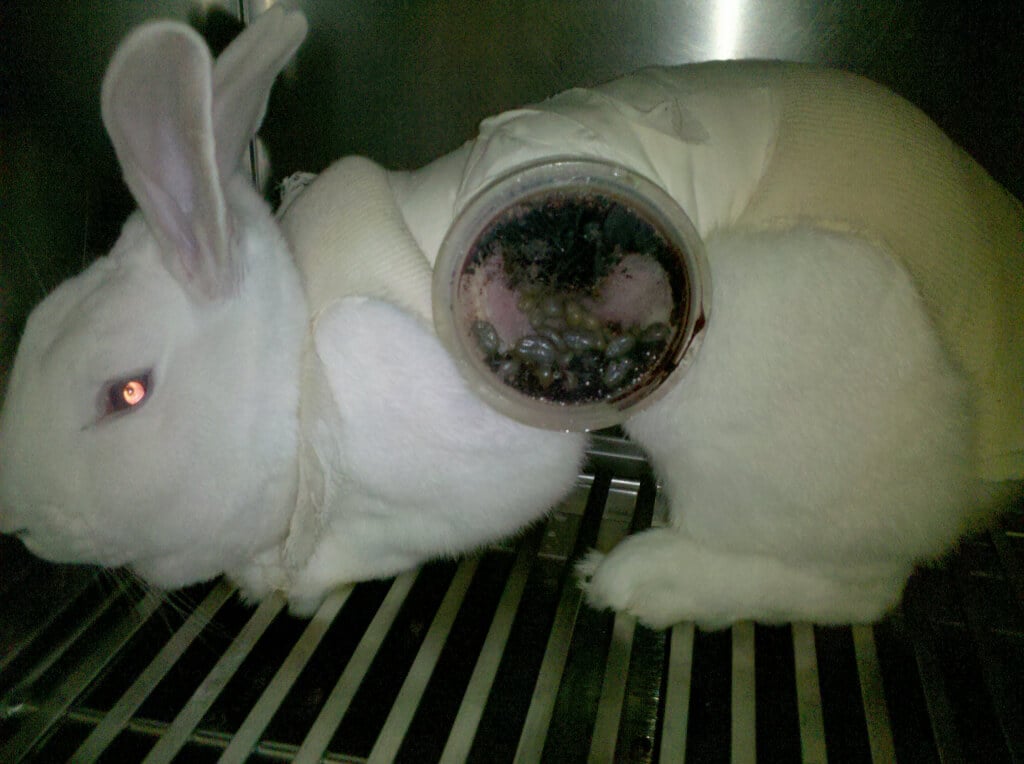
A PETA investigation into Professional Laboratory and Inquiry Services, Inc., which tested insecticides and other chemicals on dogs, cats, and rabbits, revealed chronic neglect and concrete abuse in improver to painful experiments. In ane exam, capsules containing thousands of ticks were strapped to rabbits so that the ticks could feast on them. After PETA released our findings, the laboratory was shut down and all the dogs and cats were adopted into loving homes. We're nonetheless working to become similar experiments ended.
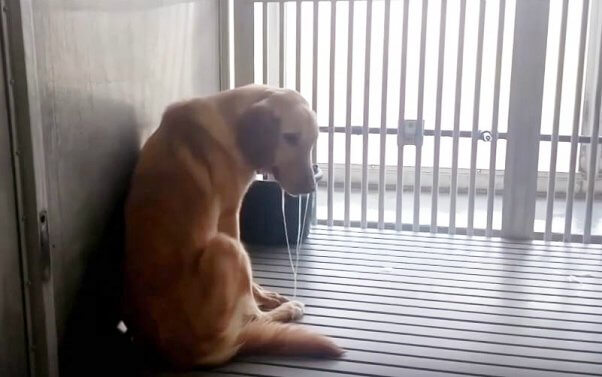
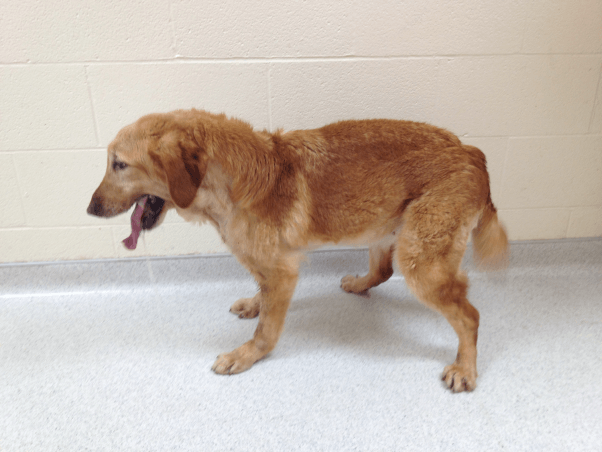 ILAR Journal | Oxford Academic
 At Texas A&Thousand Academy, experimenters breed dogs to develop canine muscular dystrophy, which causes them to become progressively disabled—making it hard for them to practice well-nigh anything, including swallow and stand. The dogs are confined to barren metallic cells, and their legs are stretched with a motorized lever to cause muscle tears. Decades of this abuse hasn't led to a single treatment to reverse symptoms of muscular dystrophy in humans.
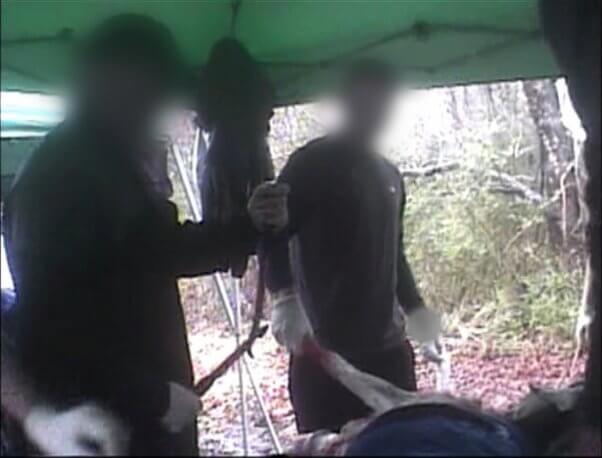
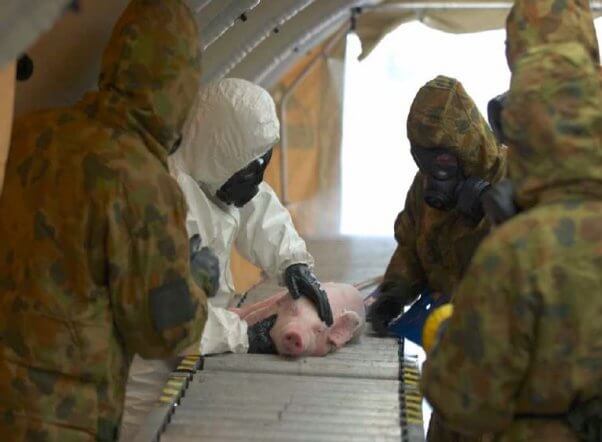
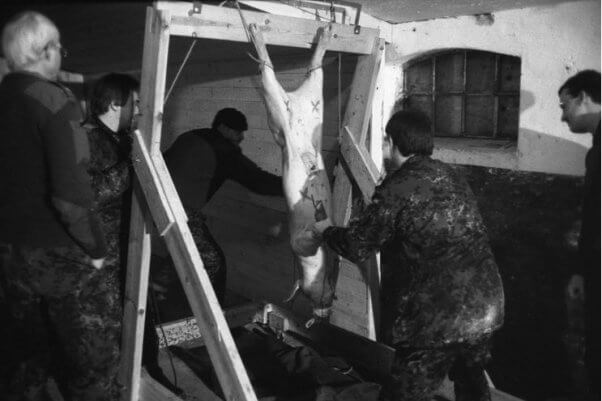
In military trauma training exercises, live goats' legs are broken and cut off with tree trimmers and alive pigs are shot, stabbed, and burned. Following pressure from PETA and members of Congress, the U.S. military has massively reduced the number of animals information technology uses in trauma preparation drills—and the U.S. Declension Guard ended all utilize of animals in these exercises and replaced them with superior, loftier-tech human patient simulators. A bipartisan constabulary including a PETA-backed provision has—for the first time—fabricated human-simulation engineering science the new gold standard of trauma training, pregnant that the U.S. military must use it before considering harming any animals in trauma drills.
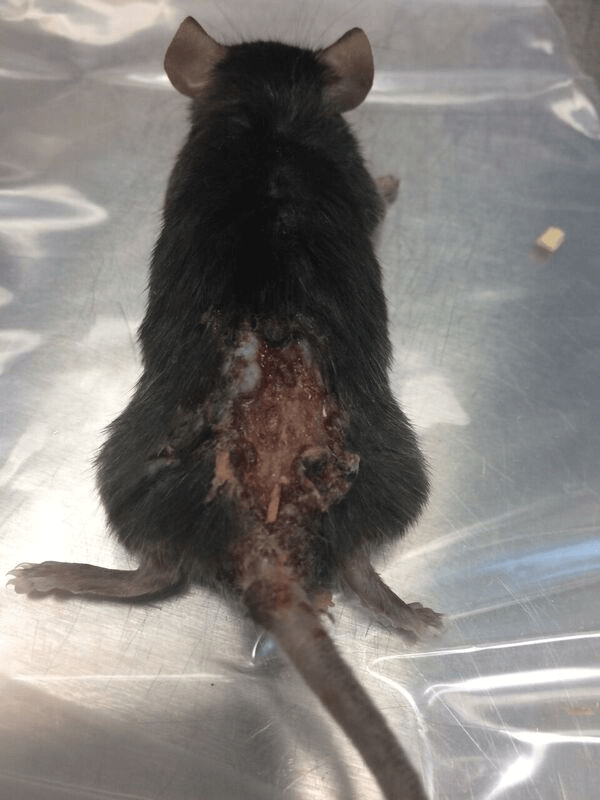
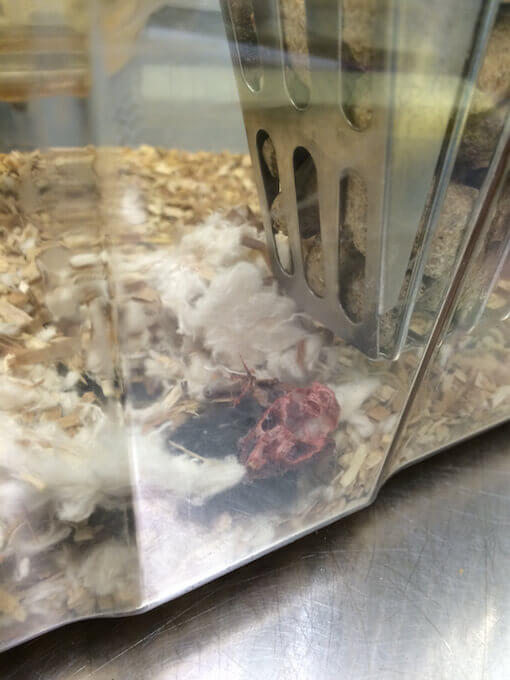
Mice and rats are excluded from the meager (and frequently violated) protections of the Animate being Welfare Human activity, meaning that nigh anything tin be washed to these animals in laboratories. A PETA investigation into the University of Pittsburgh (Pitt) showed that Rajesh Aneja took NIH (taxpayer) funding to puncture mice'southward intestines, causing fecal affair to leak into their stomachs and kill them slowly and painfully. Stressed mice fought, sometimes causing traumatic wounds. After PETA's exposé, Aneja's funding from NIH for these experiments was not renewed. But other horrific tests are however being conducted on animals at the school.
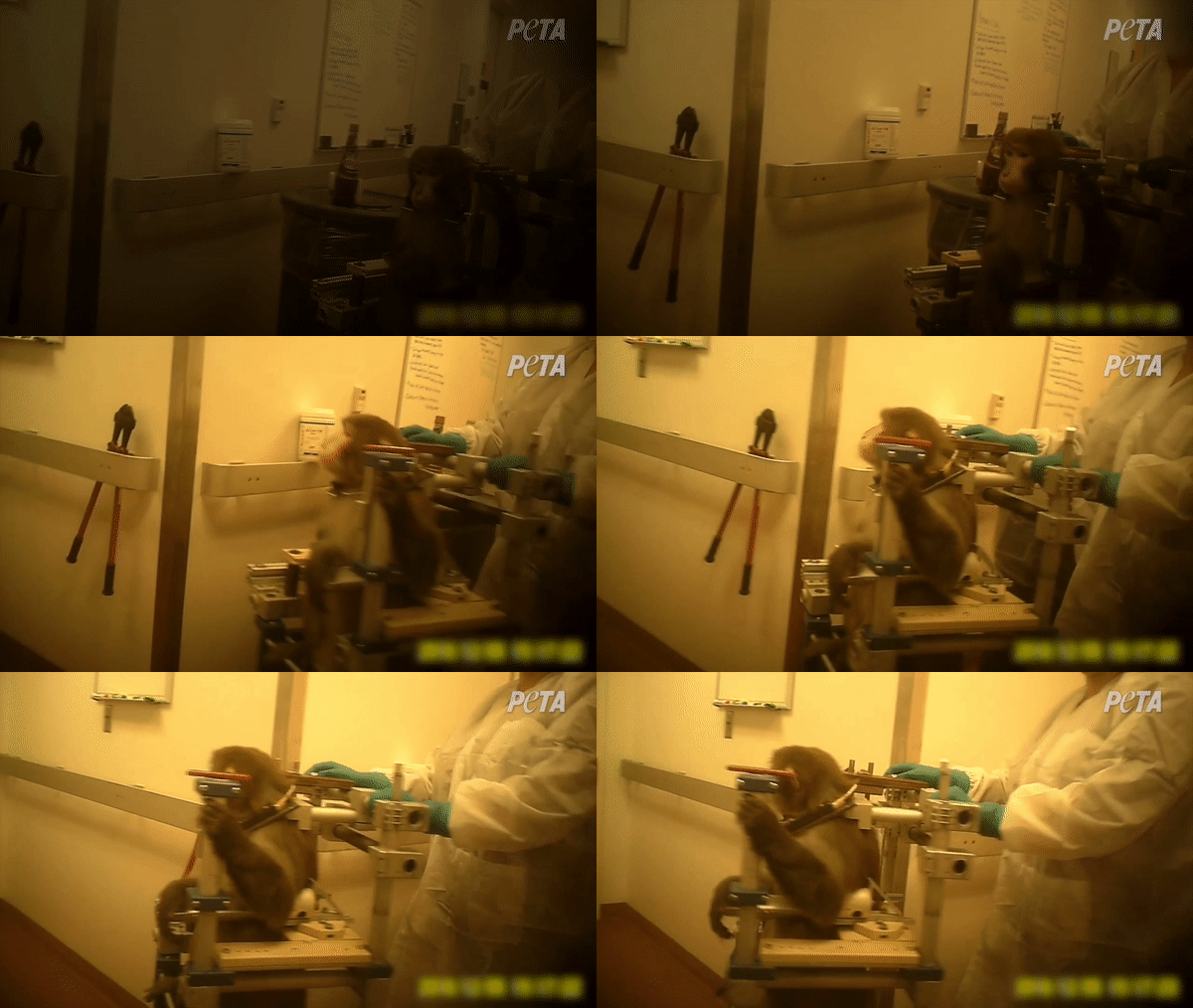
Monkeys in experiments at Pitt are restrained in chairs with their heads clamped into viselike metal collars. When they're not trapped in these chairs, they're imprisoned in cages, where many lose their minds.
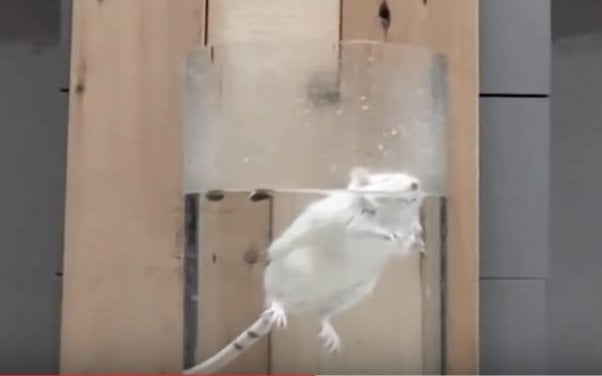
In university and pharmaceutical laboratories, workers drop terrified mice and other pocket-sized animals into inescapable beakers of water and force the tired animals to keep swimming in society to avoid drowning. After talks with PETA, pharma giants Johnson & Johnson and AbbVie banned this forced swim examination.

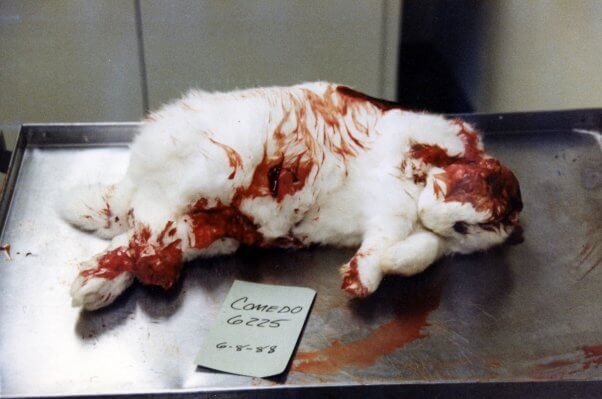
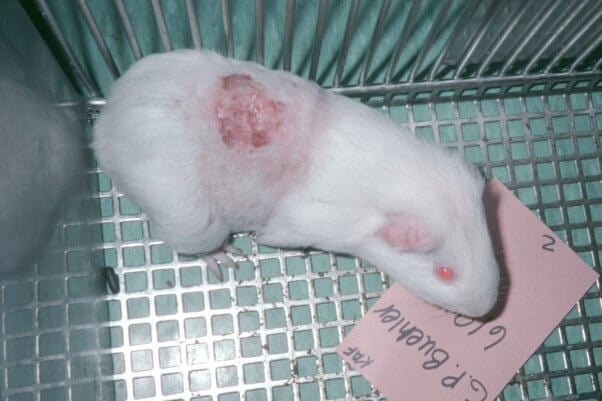
In tests for cosmetics and household products in Communist china, chemicals are poured into animals' optics, rubbed onto their peel, injected into their bodies, and forced downwardly their throats. Post-obit numerous investigations and increased consumer need, more than 3,900 cosmetics and personal-care product companies have banned all such tests and are now listed as "cruelty-free" in PETA's database.
 Jarrod A. Call et al | Free Radical Biology and Medicine
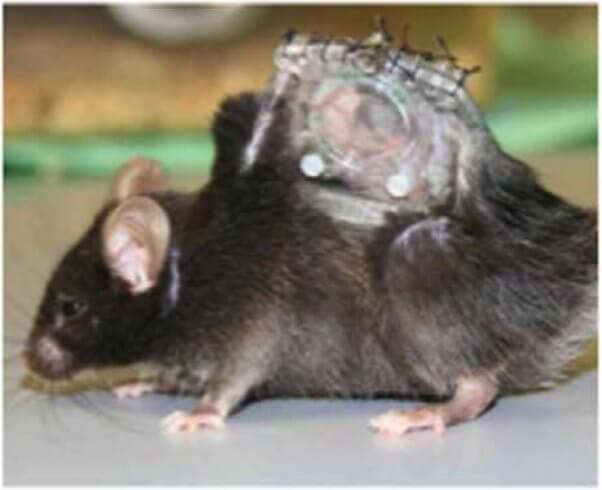
 At the Academy of Virginia (UVA), experimenters cut open the pare on mice'southward backs, tented it, punched holes in information technology, and fitted it with a window so that they could lookout man the blood circulate. The animals then endured a prolonged and painful decease. In another procedure at UVA, pairs of live mice were cutting open up and their bodies were sewn together. They were likely in excruciating pain during the short time they lived.
The process depicted in the video to a higher place, in which two mice are surgically joined and so that they share a bloodstream, was performed at the University of California, Los Angeles. A similar process was performed on mice in the UVA experiment.
This was just a pocket-sized sample of the countless means experimenters have tortured animals throughout history. PETA's interactive timeline, "Without Consent," features about 200 stories of vicious animate being experiments from the past century, including ones in which dogs were forced to inhale cigarette smoke for months, mice were cut upwardly while still conscious, and cats were deafened, paralyzed, and drowned. Visit "Without Consent" to learn nearly more harrowing animal experiments throughout history and how you can assist create a better future for living, feeling beings.
Without Consent
All these experiments acquired animals to suffer and should never have been carried out. It'southward unethical to torture animals, especially when many reliable and humane research methods—including organs-on-fries and loftier-tech human simulators—are readily available and already in utilise in laboratories around the world. PETA and its international affiliates help fund their development, publish studies on their benefits, and vigorously promote their use.
PETA thrust animal testing into the spotlight and onto front pages of newspapers everywhere with our landmark Silver Bound monkeys investigation in 1981. And we continue to dedicate more time and resources to catastrophe experiments on animals than any other system in the earth. We persuaded the Environmental Protection Agency to prevent 800,000 animals from enduring chemical toxicity testing, persuaded the European Chemicals Agency to replace 4.5 million animals in a massive European Union testing program with humane alternatives, and got NASA to cancel plans for a $1.75 meg written report in which squirrel monkeys would've been exposed to harmful radiation—and we've racked up hundreds of other victories.
Help us go along winning for animals in laboratories: Urge Congress to stop funding brute experiments; commit to ownership cruelty-free products; support charities that comport advanced, sophisticated, non-brute research; and use our prefilled grade to chop-chop accept action for animals who are suffering in seven different laboratories right at present.
Accept Action for Animals in Labs
Source: https://www.peta.org/features/pictures-of-animal-testing/
Posted by: millerdurs1999.blogspot.com
0 Response to "How Labrotory Experiments For Makeup Works Makeup Animal Testing"
Post a Comment